Human–robot interaction
Study natural dialogue, readable behavior, trust, and long-term interaction.
 Homebot One
KOKO Research
Homebot One
KOKO Research
Embodied AI · Human–robot interaction
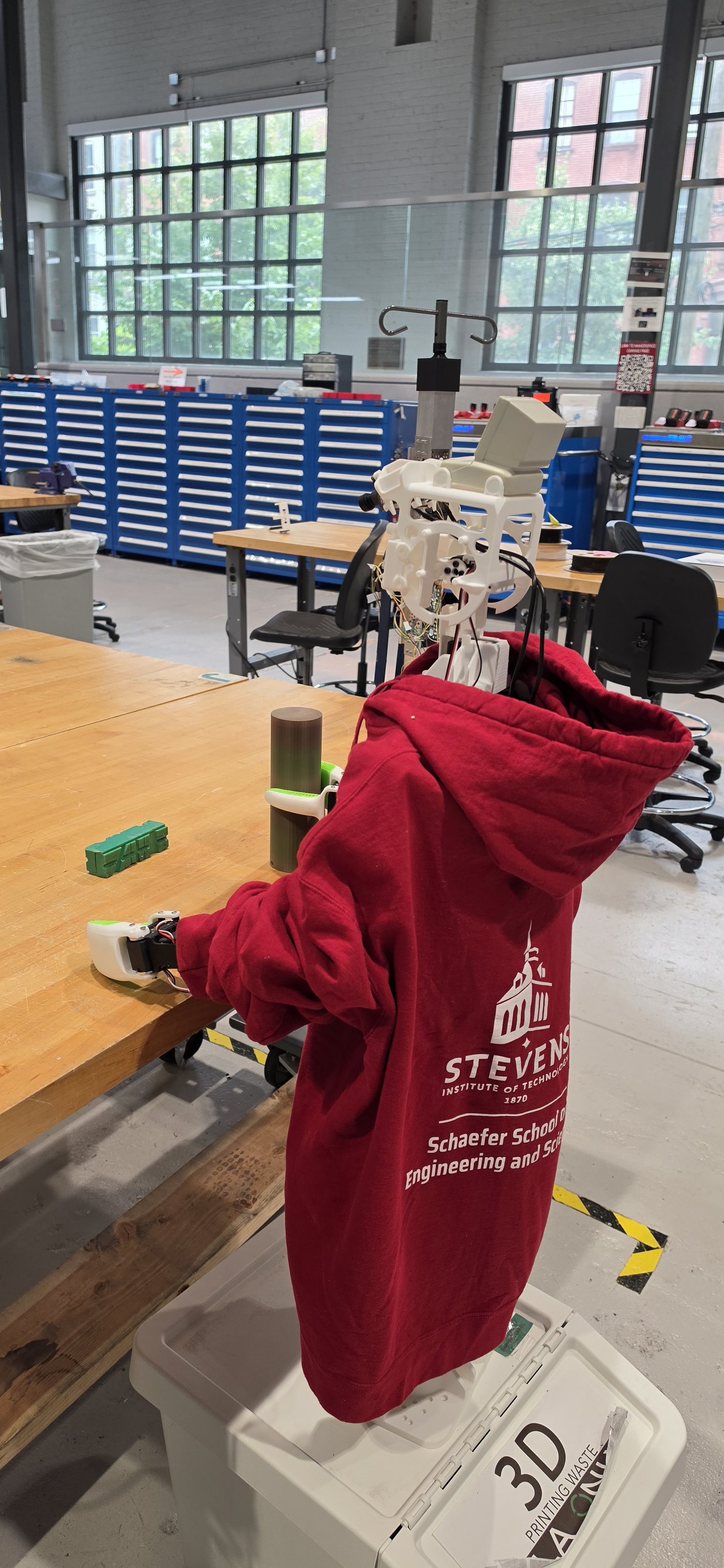
KOKO Research is a physical platform for studying perception, memory, navigation, manipulation, and human–robot interaction in real living spaces.
Research platform in active development and validation.
Why KOKO Research
Move beyond isolated demos. Study embodied systems around changing rooms, everyday objects, long-term memory, and the people who share the space.
Research fields
Designed to support interdisciplinary work across robotics, AI, design, and behavioral science.
Study natural dialogue, readable behavior, trust, and long-term interaction.
Explore scene understanding, object memory, and change over time.
Develop safe movement and physical interaction for everyday indoor tasks.
Investigate respectful support for independent living and home routines.
Connect multimodal observations with persistent, contextual home memory.
Bring a new hypothesis and shape an experiment with the Homebot One team.
The platform
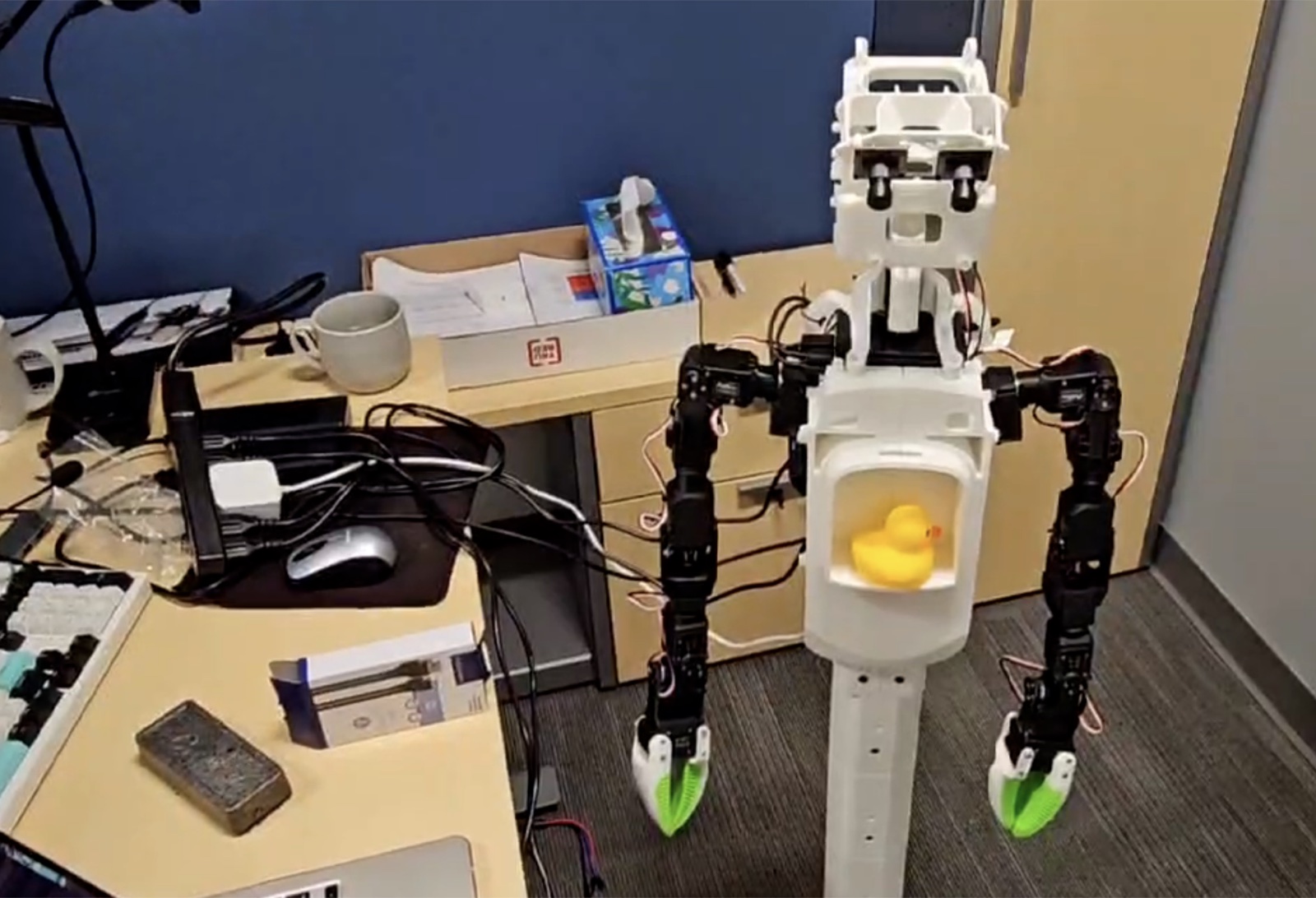
KOKO brings mobility, articulated interaction, multimodal sensing, and home-scale context into one evolving research platform.
Capabilities and interfaces are preliminary and subject to change during development.
Research program
Tell us about the lab, hypothesis, environment, and intended research outcome.
Align on hardware, software access, study protocol, and safety requirements.
Configure experiments, collect observations, and iterate with technical support.
Publish, demonstrate, or extend the findings with clear research attribution.
Current experiments
Research access
Join the research list for platform updates, pilot collaborations, and future hardware access.